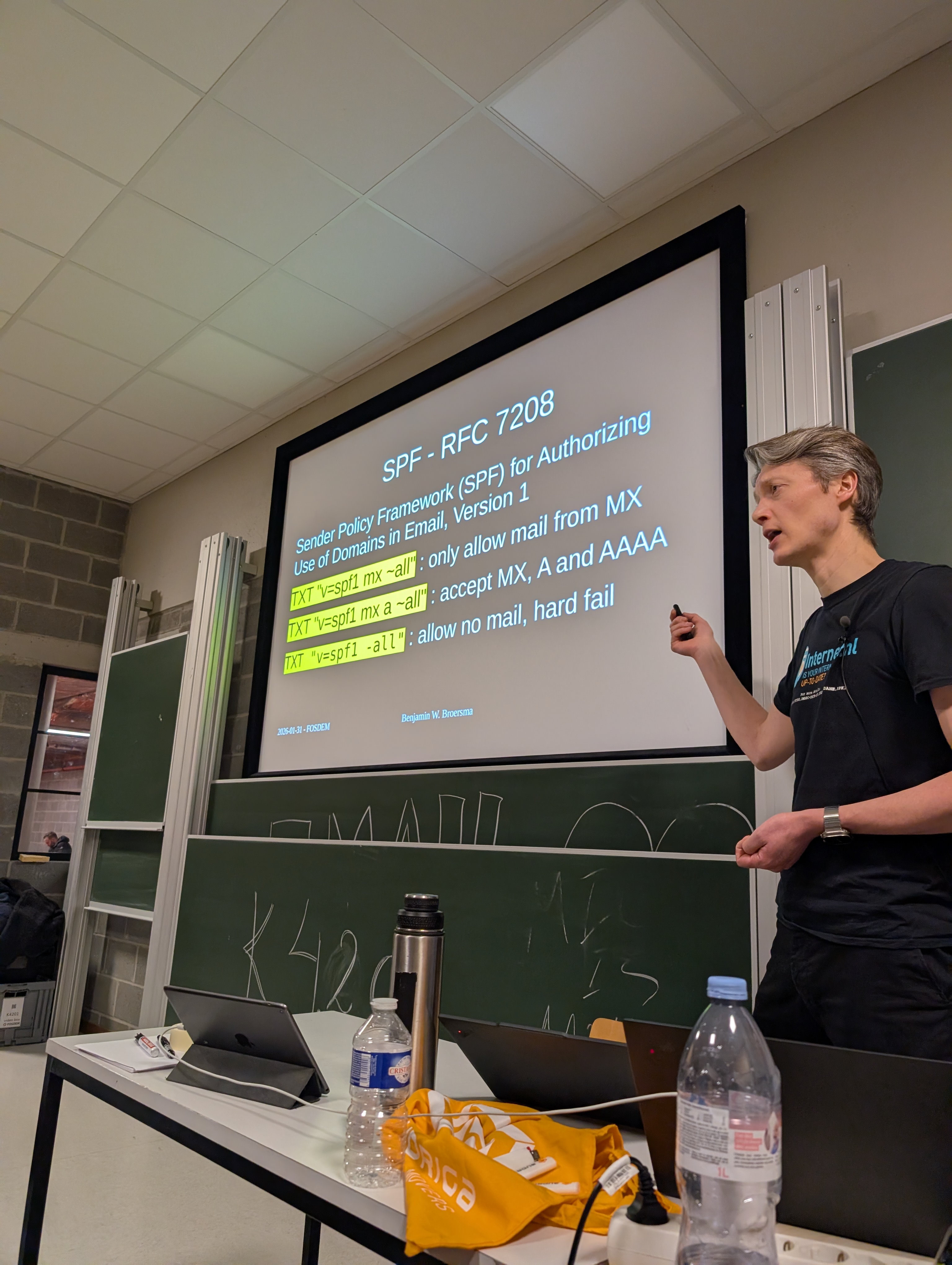
How I spent my weekend at the world's largest Open Source conference
This year I totally accidentally stumbled upon a note about FOSDEM - a yearly open source conference held in Brussels, Belgium every winter. It is actually not that well-known and not so advertised. And I will explain why.
It is held in the Brussels University campus, which brought memories like I was back at the University classes.
As any other conference, it has exhibitions, scattered across university buildings, where various open source projects demo their products: from giants like KDE/Gnome and Fedora to small fully open source cloud and authentication services I'd never heard of. I got to talk to Jolla guys, who built the Sailfish OS for the mobile phones, got to try various unreleased devices. I was a bit disappointed not being able to meet GrapheneOS people though.
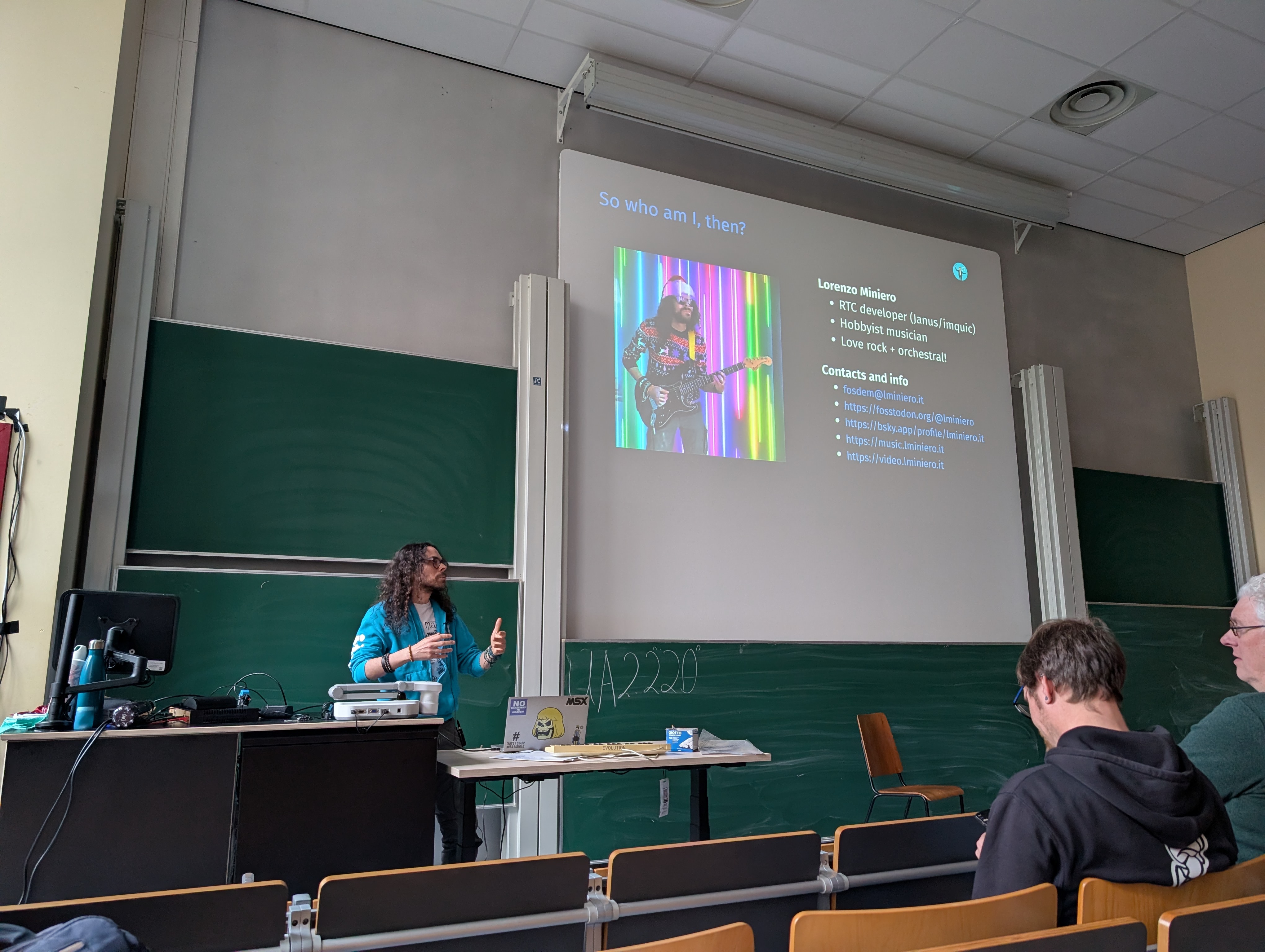
And the second part - the talks, lots and lots of talks. I attended mostly the technical ones - linux kernel were interesting (TPM and Secureboot adoption, for one, by James Bottomley from Microsoft). Musicians shared how they create music on Linux (sorry, Apple!), and the LLVM ptrauth bare metal experiments (something I had been working with for a while myself) by Peter Smith from ARM. Apple guys with their well-polished presentation (but no pre-advertising) shared, how they were porting Swift to FreeBSD.
Great insights from people who work with AOSP (whoever tried building it - you know how painful it is) - how to speed up the build, what's Google changing with its repos this year, how it evolved over the years.
I met people from Apple, Qualcomm, Intel there, but they didn't advertise their presence, and didn't do any hiring. It was just a nice talk. I'm sure there were other large IT companies as well.
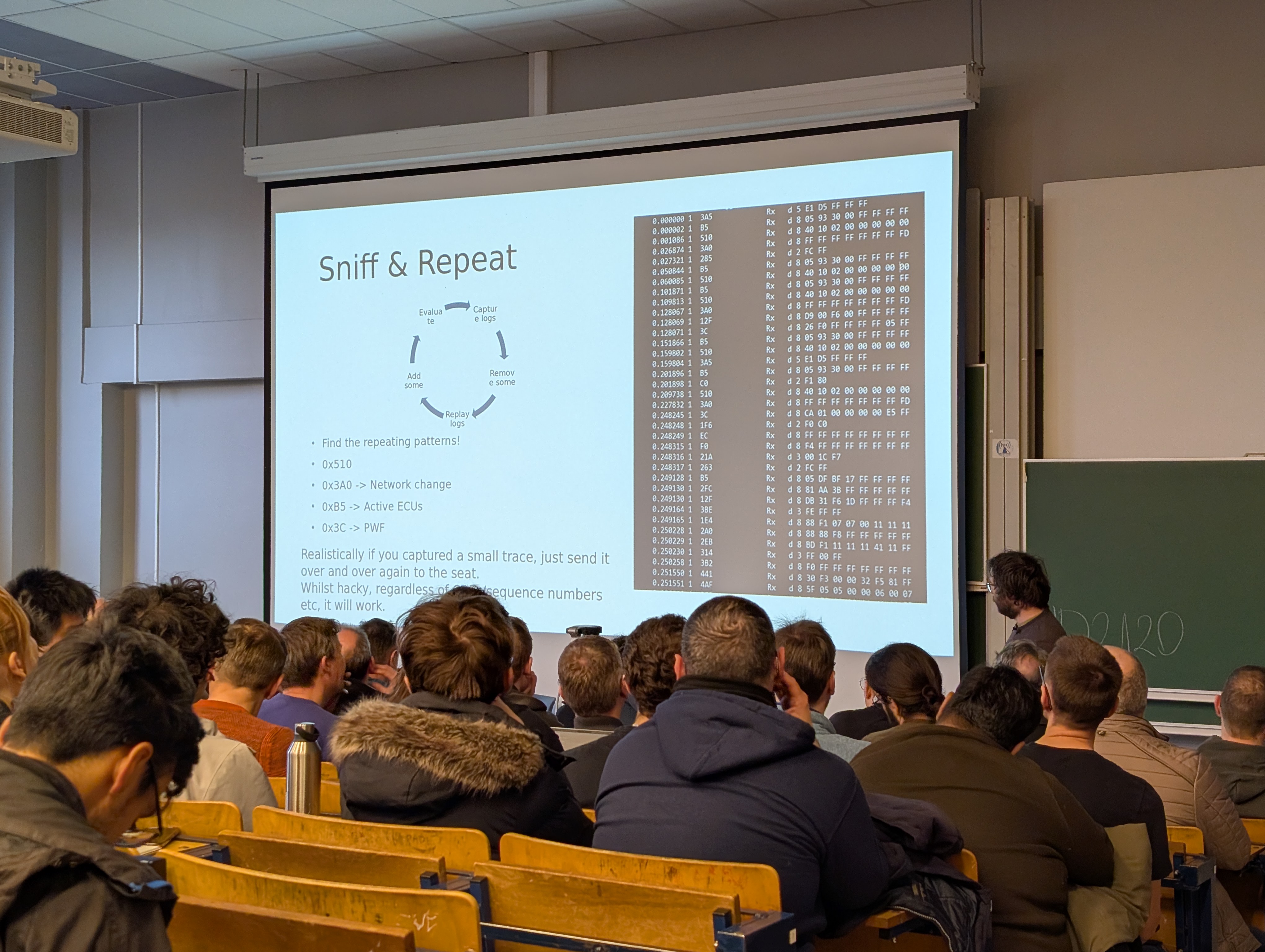
So what was so special about this conference (or, rather, a meetup)? It is completely free. You do not need to purchase a ticket. You do not even need to register anywhere. Sponsors like Google and ARM did help with the organizing, but otherwise it was fully ran by the volunteers (I got to help as well). And somehow it managed to leave a much better impression than most paid glossy conferences that I've been to.
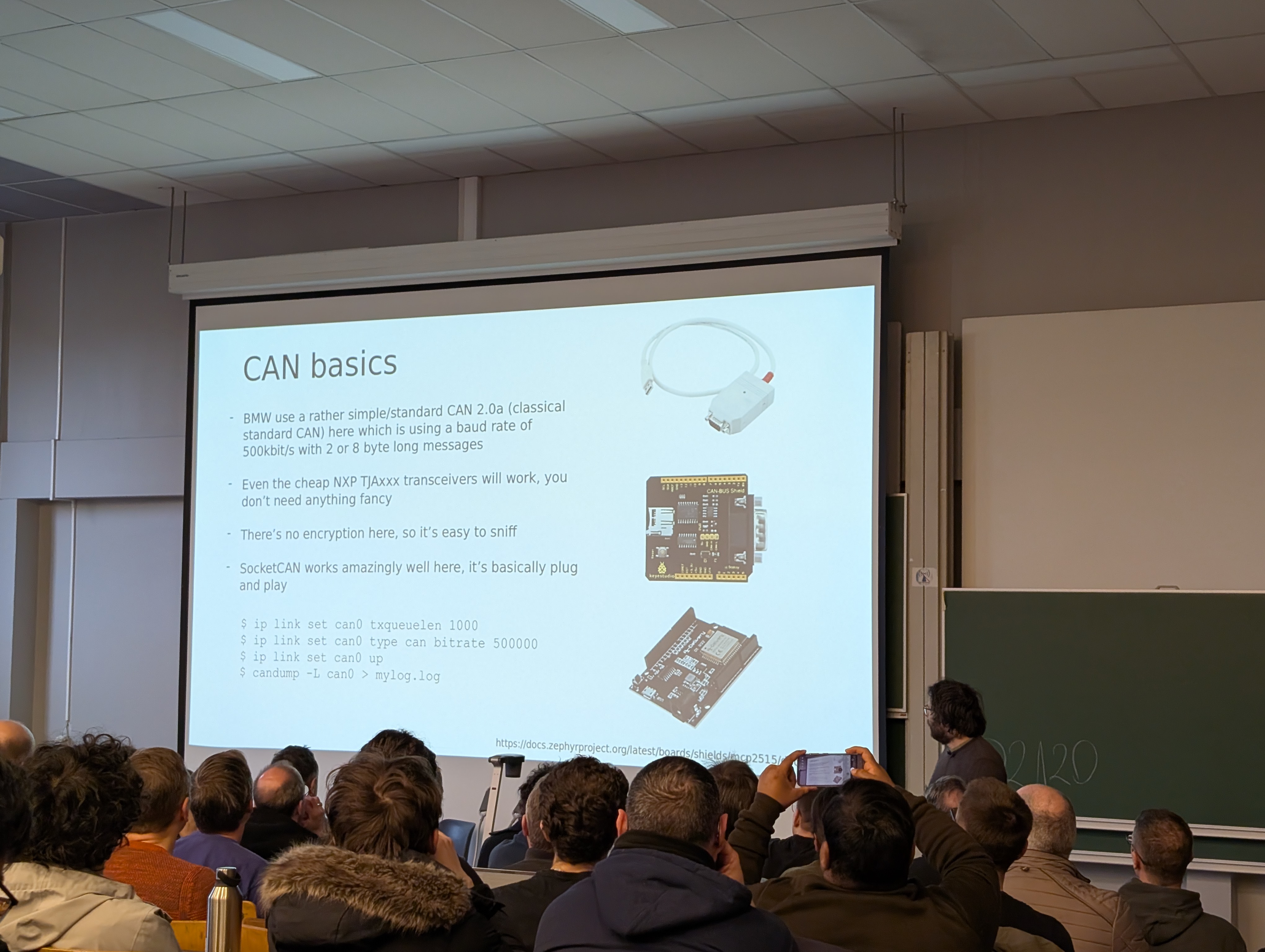
Presenters (both lecturers and exhibitors) seemed to be very passionate about stuff they were doing, and happy to share what they did.
Everyone seemed to be obsessed with freedom and privacy on this conference, and I like this spirit.
So why isn't it so well-known then? The answer I found for myself is simple: they don't advertise it, because there are already a lot of people, and there is no checkins, so to keep it that way and still fit all of the people inside the university they stay quiet.